
Organisational Psychology Company Supporting Leaders, Teams, & Organisations
Get Mentally Fit helps Australian organisations meet their psychosocial WHS obligations, build capable leaders, and create workplaces where people and performance thrive.
Work directly with our Founders — no call centres, no junior consultants, no handoffs. Just psychological precision.
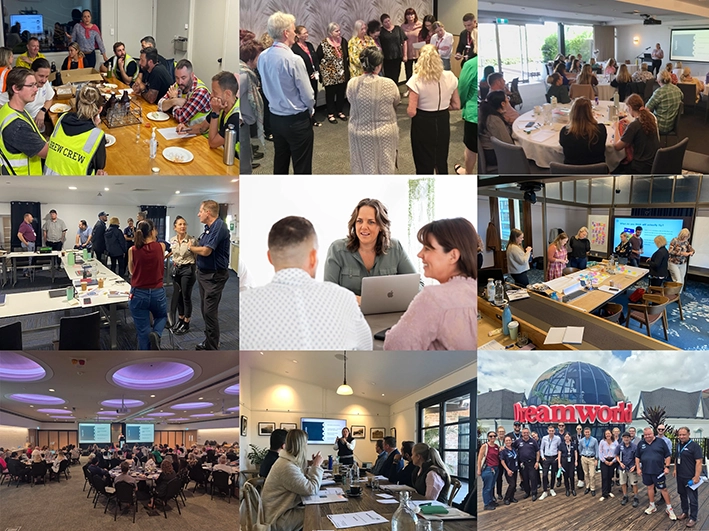
TRUSTED BY LEADING AUSTRALIAN ORGANISATIONS















































A Structured, Evidence-Based Approach to Managing Psychosocial Risk
Translating complex WHS obligations into four actionable domains — each creating measurable improvements in wellbeing, leadership, culture, and compliance.
Workforce Wellbeing & Engagement
Clinically informed EAP & resilience assessments. Targeted interventions and training — not generic wellness.
Explore Employee Assistance ProgramLeadership Behaviour & Capability
Equip leaders to recognise risk, build trust, and manage the psychological environment & productivity of their teams.
Explore Leadership TrainingCulture & Performance
Reliably diagnose cultural dynamics and build psychological safety. Align team behaviour and capability with business aims and objectives.
Explore Staff Training & DevelopmentOperations & Compliance
Organisational change and psychosocial risk management. Hazard identification & assessment registry. Control measures planning and operational reviews.
Explore Organisational Development
Practical services. Psychologist-delivered
We work with organisations that want practical, psychologically informed support - not generic wellbeing initiatives or compliance theatre.

Employee Assistance Program (EAP)
WellbeingTrusted pay-for-use-only EAP counselling and wellcheck support services for Australian SMEs. Direct psychologist access — no impersonal call centres or wasteful subscriptions. Our EAP includes critical incident support services that generic providers can't.Explore Employee Assistance Program
Leadership Training & Coaching
LeadershipFor leaders or leadership teams seeking capability where it matters most — in how they think, respond, and influence under pressure — to strengthen decision-making, reduce psychosocial risk, and support healthier, more sustainable, personal and/or collective performance.Explore Leadership Training
Staff Training & Development
CapabilityFrom lineal team skill development to operational psychosocial risk control. Real-world outcomes tailored to high-stakes environments. Enjoy 40+ years of organisational psychology expertise and workplace training to transform your workforce capability.Explore Staff Training & Development
Resilience Test
ResilienceMeasure and reliably strengthen resilience where it matters most – personally or in your leaders and teams. Reliable profiling and targeted professional capability development planning, facilitated by an accredited workplace psychologist.Explore Resilience Test
Organisational Development
Change Management & ComplianceExpert guidance on organisational change, team functioning, leadership capability, and psychosocial WHS & compliance. Practical, evidence-based strategy support that protects employee psychosocial health, strengthens operational leadership, and reduces risk exposure – without compromising performance.Explore Organisational Development
Psychometric Assessments
AssessmentsLeverage the strategic value of psychologist-led psychometric assessments. From a business leadership perspective, these tools are not just about ‘testing’ individuals; they are about risk mitigation and maximising ROI on your most expensive asset: people.Explore Psychometric Assessments



What unmanaged workplace risk actually costs your business
Most organisations don't quantify these costs until it's too late. Here's what the data shows.
Why Australian organisations choose Get Mentally Fit
Not Generic Coaches
Not Another Team Building Exercise
Building a Safety Culture of Success
Partnering with organisations who want practical, psychologically grounded support — not generic wellbeing initiatives or compliance theatre.


Credentials you can trust
Our AHPRA-registered psychologists, bound by the Psychology Board of Australia's Code of Ethics, lead our commitment to providing psychologically informed support that goes beyond generic initiatives.







Gold Coast-based Organisational Psychology Services. Nationally Delivered
Face-to-face across the Gold Coast, Brisbane, and South East Queensland. National reach via telehealth, virtual workshops, and remote consulting for organisations anywhere in Australia.
Some common questions clients have
Clear answers on psychosocial hazards in the workplace, workforce wellbeing, and how Get Mentally Fit can help.
What are psychosocial hazards, and how do they affect employees?
According to Safe Work Australia, psychosocial hazards are factors in the design or management of work that may cause psychological or social harm to individuals. Addressing these hazards effectively is essential for promoting a safe and healthy work environment and preventing harm to employees' mental and physical well-being.
What’s your organisation’s legal obligations regarding managing psychosocial hazards?
Employers have legal obligations to ensure the health and safety of their employees, including managing psychosocial hazards in the workplace. Failure to fulfill these obligations can result in legal consequences for employers, including fines, penalties, or legal action from employees.
Why is workplace mental health important for organisations?
Workplace mental health directly impacts productivity, absenteeism, staff retention, and overall culture. Organisations that prioritise mental wellbeing often experience improved engagement, reduced burnout, stronger collaboration, and better business outcomes.
What is the difference between reactive and proactive mental health support?
Reactive support focuses on responding to issues after they occur (e.g., Critical Incident Response). Proactive mental health strategies aim to prevent problems by building resilience, leadership capability, and positive workplace systems before risks escalate.
What is organisational psychology and how does it help businesses?
Organisational psychology focuses on improving workplace performance, leadership effectiveness, and employee wellbeing. By applying evidence-based psychological principles, businesses can reduce workplace stress, improve communication, strengthen leadership capability, and build resilient, high-performing teams.
When should a company engage an organisational psychologist?
Companies may engage an organisational psychologist when experiencing:
-
High staff turnover
-
Workplace conflict
-
Leadership challenges
-
Burnout or absenteeism
-
Organisational change
-
Compliance requirements around psychosocial risk
Early intervention typically leads to better long-term outcomes.
What are the benefits of investing in workplace wellbeing programs?
Research consistently shows that structured workplace wellbeing programs can:
-
Improve productivity
-
Reduce absenteeism
-
Increase employee engagement
-
Strengthen retention
-
Improve organisational culture
How do organisations measure employee wellbeing?
Organisations often use workplace wellbeing surveys, psychometric assessments, mental health audits, and engagement tools to benchmark current performance and identify areas for improvement. Regular measurement helps track progress and inform strategic decisions.
How do Employee Assistance Programs (EAPs) support staff?
Employee Assistance Programs provide confidential counselling and psychological support for employees dealing with personal or work-related challenges. EAP services help reduce stress, support early intervention, and improve overall employee wellbeing.